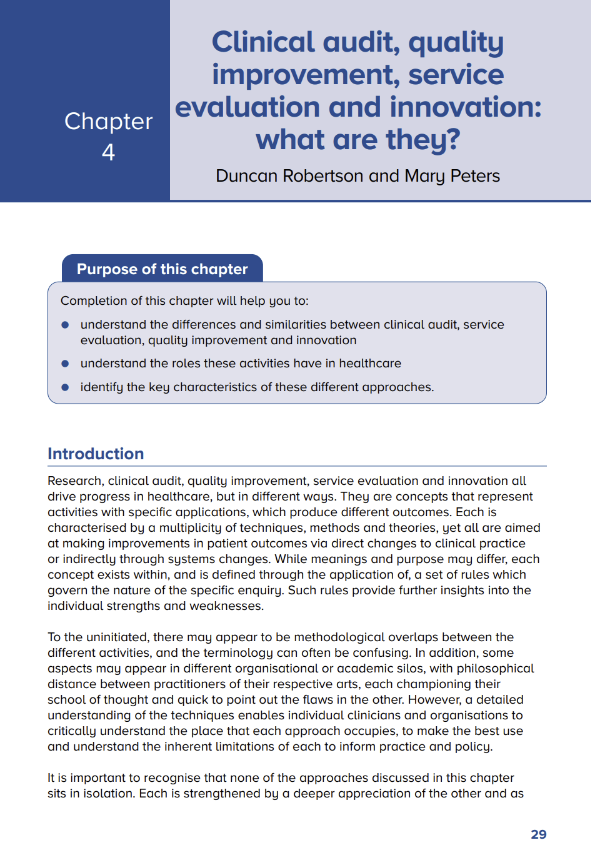
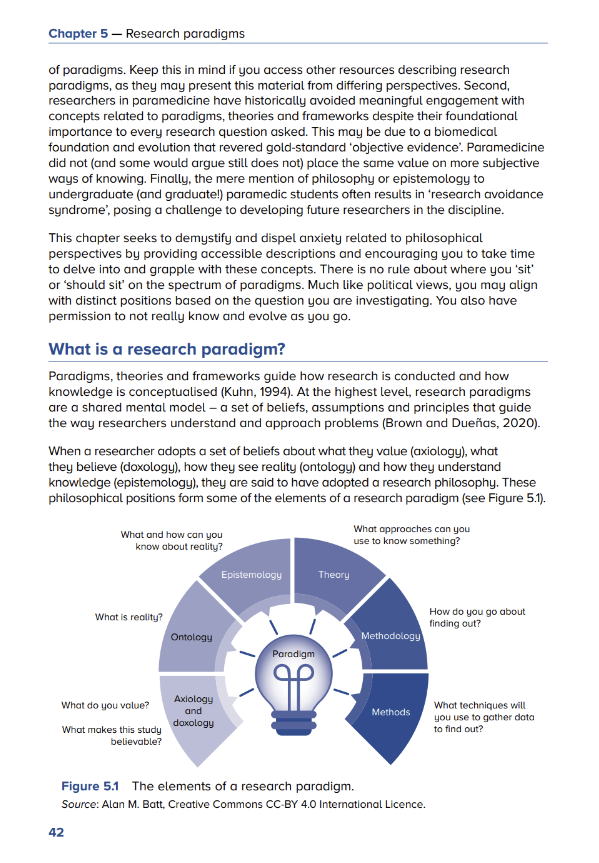
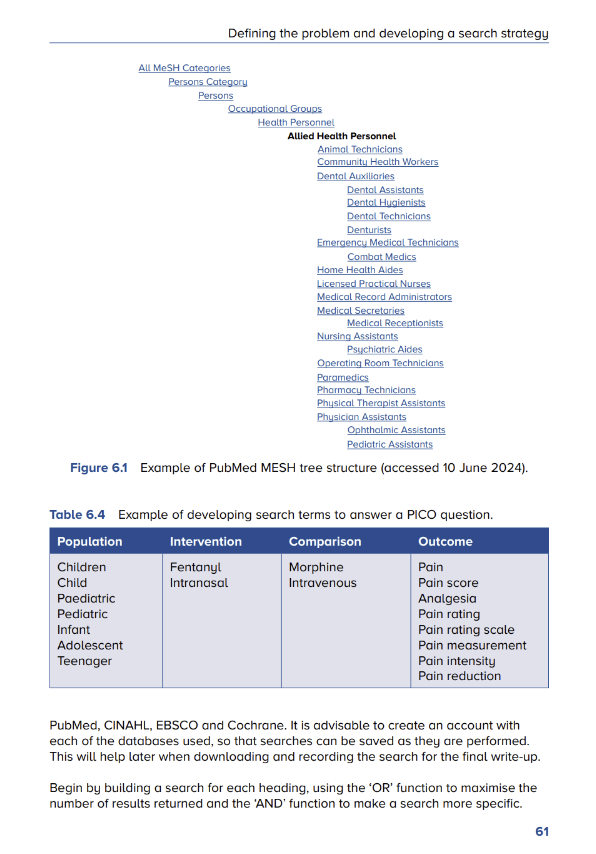
Paramedic Research: Principles, Designs and Methods is the practical research textbook for professionals working in prehospital, urgent and emergency care.
Research is central to improving patient care and advancing professional practice. As the paramedic profession continues to develop, demand for robust, clinically relevant research within emergency care has never been greater.
Written by over 40 expert contributors from across the UK and internationally, this book brings together a uniquely diverse range of professional perspectives to provide structured guidance through the full research process. Readers are supported to:
- Identify appropriate areas for investigation
- Develop clear and relevant research questions
- Choose appropriate research designs
- Collect and analyse data effectively
- Present findings in a meaningful and usable way
All content is grounded in real research undertaken within unplanned, urgent and emergency care environments. This enables readers to focus on core research principles, philosophies and methods without the distraction of unfamiliar healthcare settings.
Designed for professionals working in prehospital, urgent and emergency care, Paramedic Research: Principles, Designs and Methods supports the development of confident research capability and the effective use of evidence to inform everyday clinical decision making.
Behind the Book:
Review
As a paramedic lecturer, I’m always looking for resources that not only explain research concepts but also make them relevant to our profession. Paramedic Research: Principles, Designs and Methods does exactly that. It’s a book I now recommend to my students because it demystifies research and shows how it underpins evidence-based practice in prehospital care. What I particularly value is the structured approach—it takes readers from the basics of research principles through to study design, data analysis, and dissemination. The examples are drawn from real paramedic contexts, which makes it easier for students to see the practical application of theory. This is crucial because many paramedic students find research intimidating, and this book helps break down that barrier.
Emma Mundle, Lecturer in Paramedic Science at The University of Portsmouth





 https://www.classprofessional.co.uk/wp-content/uploads/2026/03/Logo-1.png
1080
1080
Emma Phillips
https://www.classprofessional.co.uk/wp-content/uploads/2026/01/CP_logotype_horiz_purple_RGB.svg
Emma Phillips2026-05-08 14:58:102026-05-27 08:21:48A New App for Ambulance Drivers
https://www.classprofessional.co.uk/wp-content/uploads/2026/03/Logo-1.png
1080
1080
Emma Phillips
https://www.classprofessional.co.uk/wp-content/uploads/2026/01/CP_logotype_horiz_purple_RGB.svg
Emma Phillips2026-05-08 14:58:102026-05-27 08:21:48A New App for Ambulance Drivers


Reviews
There are no reviews yet.